



Best Air Purifying Plants (And How To Keep Them Alive)

December 2, 2025

Six Plants That Improve Air Quality

Plants help improve air quality in many ways such as absorbing carbon dioxide and releasing oxygen through the process of photosynthesis. Additionally, some plants can naturally purify the air you breathe. If you are looking for continued ways to decrease allergens and harmful toxins from the air, consider placing a few air purifying plants in your home. In this blog, we will highlight six air purifying plants and their benefits. Don't worry, for those that do not have green thumbs, we will explain how to keep them alive!


Benefits Of Indoor Plants

  1. Helps us breathe easily. Plants have the ability to create oxygen, which is vital to clean air and obviously human life. While plants use the process of photosynthesis, they are in taking carbon dioxide and releasing oxygen, which is an equal process for humans releasing carbon dioxide and inhaling oxygen.
  2. Purifies air. A study done by NASA revealed that houseplants can remove toxic vapors in enclosed buildings. NASA also concluded that plants can reduce dust levels by up to 20%. Dust reduction is beneficial for residents with asthma or allergies.
  3. Improves health. Plants increase the humidity of the air, which isn't always a bad thing in Delaware! Humidity in your air can have multiple health benefits such as preventing dry throats and reducing the likelihood of allergies.
  4. Cost effective. Plants are the natural comparison to an air purifier and can be the cheaper option if properly taken care of.


Indoor Plants Are Also Known To:

  • increase mood and productivity
  • enhance concentration and memory
  • reduce stress and fatigue


Nasa Air Purifying Plants

Bamboo Palm

  • Transpires moisture into the air
  • Requires moist soil
  • Non Toxic to animals
  • Eliminates: benzene, formaldehyde, and TCE.

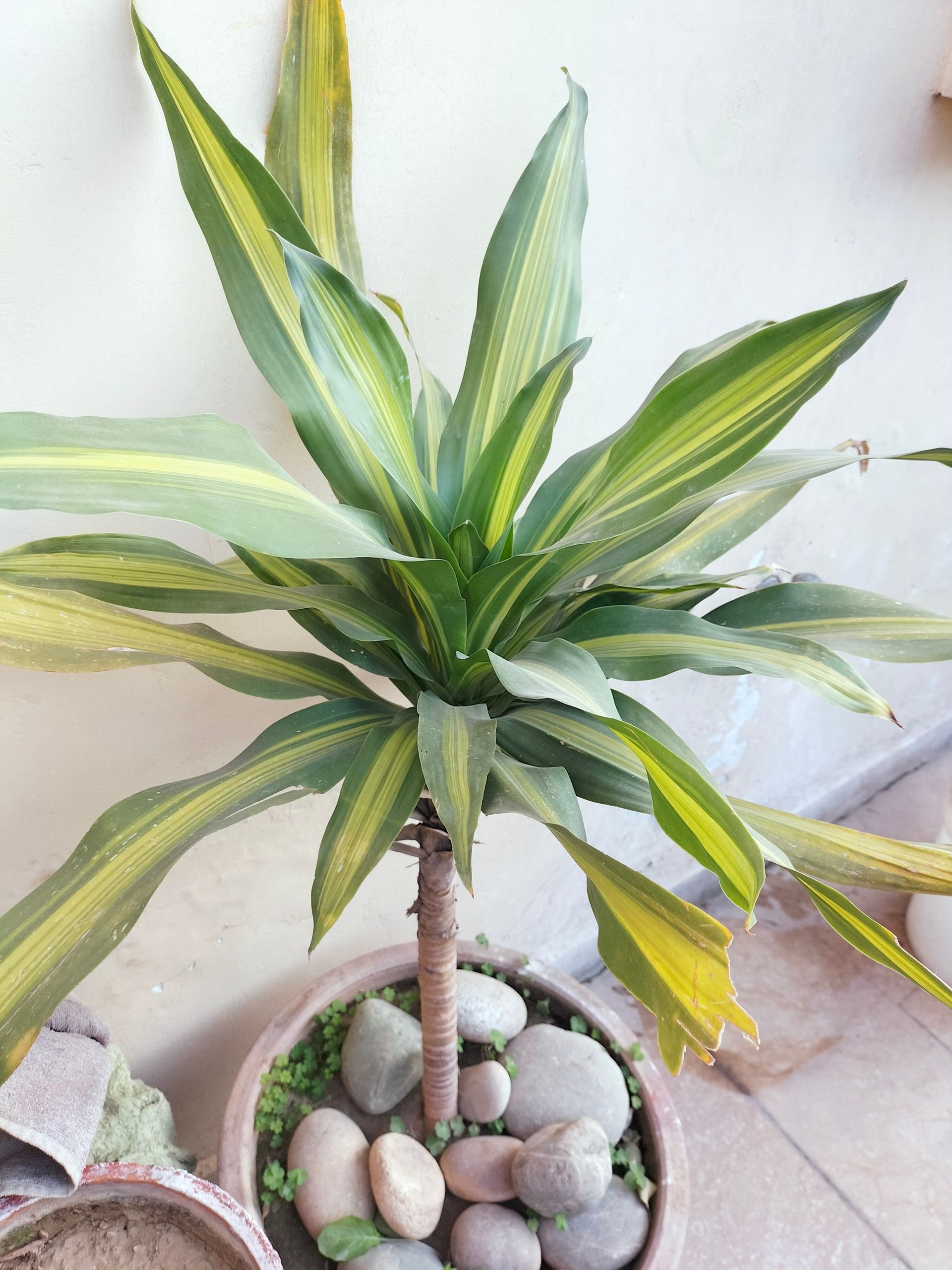
Types Of Dracenas

  • Water depending on Dracena, usually low maintenance
  • Toxic to animals
  • Eliminates: formaldehyde, xylene, toluene, benzene, trichloroethylene

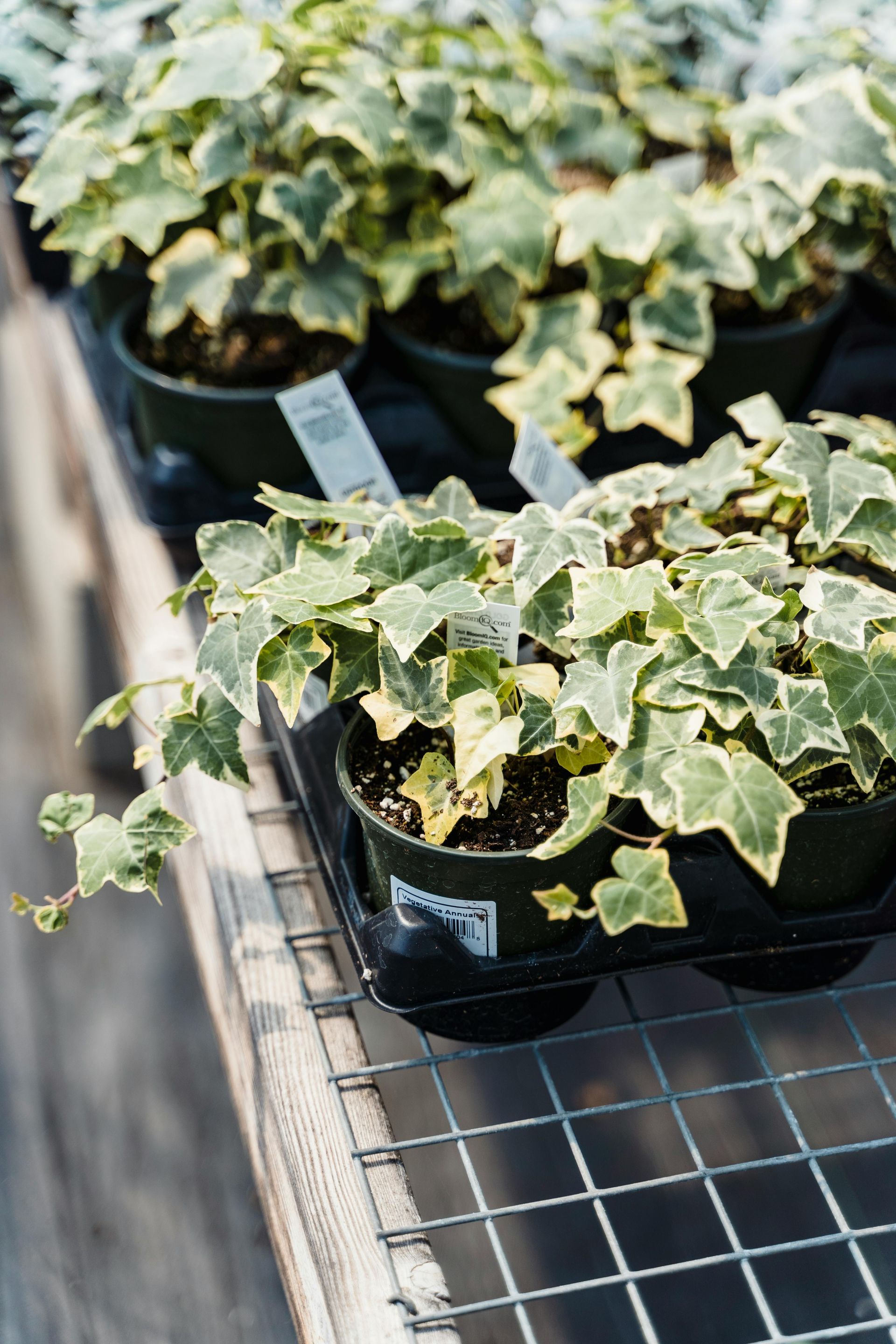
English Ivy

  • Water once the soil is dry. Does well in hanging baskets.
  • Toxic to humans and animals
  • Eliminates: benzene, formaldehyde, and TCE.

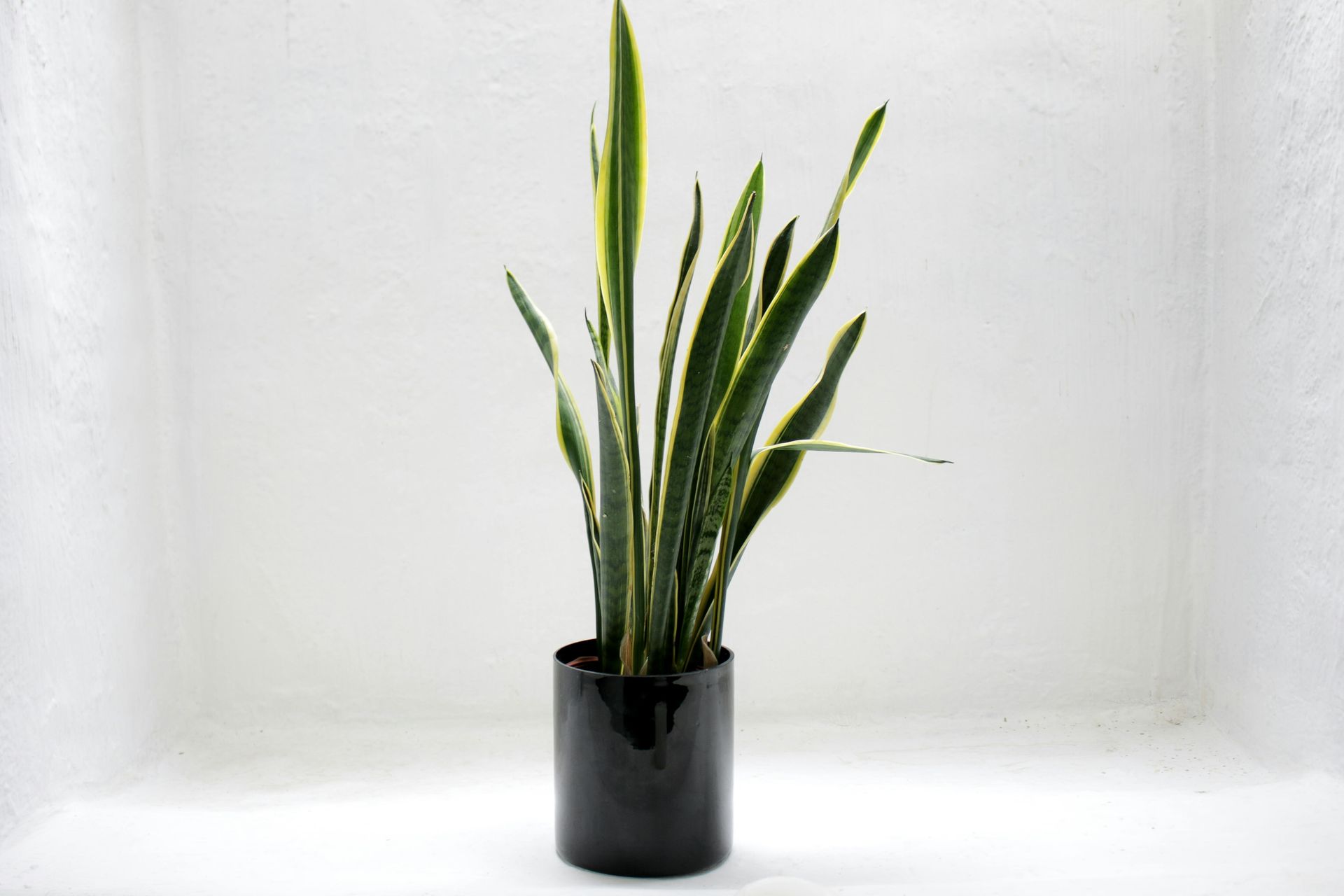
Snake Plant

  • Water every 2-8 weeks
  • Toxic to animals
  • One of the few plants that continues to convert carbon dioxide into oxygen at night, which can help you breathe easier while sleeping.
  • Eliminates: benzene, formaldehyde, xylene, trichloroethylene, toluene

Chrysanthemum (Mums)

  • Water every other day, keep soil damp.
  • Toxic to animals
  • Ranked highest for air purification
  • Eliminates: formaldehyde, xylene, benzene, ammonia

Spider Plant

  • Water once a week
  • Non Toxic to children and animals
  • Eliminates: formaldehyde, xylene

You will breathe better air by keeping plants in your home. The air quality study NASA performed recommends one plant per 100 square feet. Here at Envirotemp, we can perform indoor air quality testing to determine the pollutants in your air. One of these six plants may help eliminate harmful toxins inside your home. Call us today to find out exactly what you are breathing and how we can help!

Recent Posts

May 20, 2026
Furnace repair in Middletown, DE addresses heating failures, safety concerns, and efficiency issues. Professional service restores winter comfort and prevents frozen pipes.
February 20, 2026
Heat pump installation in Smyrna, DE delivers year-round comfort with variable-speed efficiency. Expert sizing and installation maximize performance in Delaware's climate.
February 20, 2026
AC repair in Dover, DE addresses humidity-related failures, refrigerant leaks, and capacitor issues. Expert diagnosis prevents emergency breakdowns during peak summer heat.
February 20, 2026
Geothermal installation in Clayton, DE uses renewable earth energy for year-round heating and cooling. Lower bills, quiet operation, and sustainable comfort.
January 29, 2026
Geothermal systems in Smyrna, DE provide eco-friendly heating and cooling by harnessing stable underground temperatures for year-round energy efficiency.
January 22, 2026
Indoor air quality testing in Middletown, DE identifies airborne pollutants causing headaches and respiratory issues through comprehensive assessment services.
January 22, 2026
Furnace installation in Clayton, DE ensures reliable heating through winter by replacing aging systems with properly sized, energy-efficient units.
January 22, 2026
AC repair services in Dover, DE restore cooling efficiency by addressing system malfunctions, leaks, and unusual noises to keep your home comfortable.
December 2, 2025
Is It Normal To Smell Gas When Hvac Is Running?
December 2, 2025
2-stage cooling is a method of cooling that can better manage the cooling of your home while outdoor temperatures are changing. It can also better maximize indoor comfort and energy efficiency. 2-stage cooling systems are typically the most energy efficient systems out there. 2-stage cooling can be done by having one unit with two compressors, one small and one large. The small one is typically capable of putting out about 50% the capacity of the larger one. The second way to have 2-stage cooling is to have a single scroll unloading compressor. This compressor can unload its capacity down to about 66% of maximum capacity. Both these methods of getting 2-stage cooling allow the unit to run at a lower stage when the high stage is not needed. By doing this, energy is saved. 2-stage heating has the same principle as 2-stage cooling. It allows the unit to adjust itself based on the amount of heating that is necessary. 2-stage heating is a good way to save on heating costs. A heat pump system would have two different sized compressors, a small and a large one. The compressor that is used at a given time would depend upon the need. If only a small amount of heating is necessary, the smaller compressor would be used to save energy. The large compressor would only be used when a large amount of heating was needed. A gas furnace that is 2-stage has a modulating gas valve that regulates gas flow depending upon the need.
Show More